

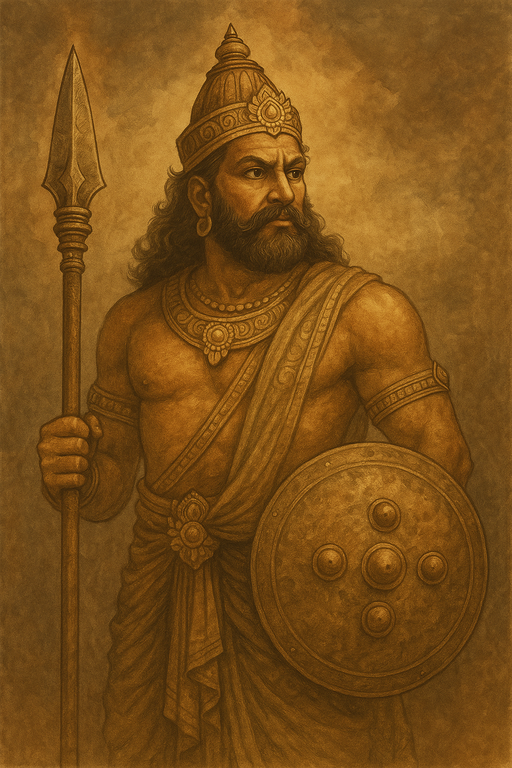

Mahasena History, Facts, and Legacy of the Great Mythology
Among Sri Lanka’s ancient rulers, King Mahasena stands as one of the most intriguing and complex figures. His name echoes in the chronicles of Mahavamsa, and his works still shape the island’s landscape. He was both a reformer and a visionary — a man who turned parched land into green plains and temples into centers of new thought.
Born in the 3rd century CE, Mahasena’s reign bridged faith and innovation. His story is one of ambition, conflict, and reconciliation — showing how one leader’s decisions can transform an entire civilization.
Who was King Mahasena in Sri Lankan history?
King Mahasena was a 3rd-century ruler of Anuradhapura, celebrated for his vast irrigation works, including the Minneriya tank, and for promoting Buddhism across Sri Lanka. His reign blended engineering brilliance with spiritual change, leaving a mark that endures more than 1,700 years later.
Early Life and the Path to the Throne
Mahasena was born to King Gotabhaya and Queen Thissa Kumari in the Anuradhapura Kingdom. From an early age, he was drawn to philosophy and learning. Educated under the monk Sanghamitta of the Abhayagiri monastery, Mahasena was exposed to new interpretations of Buddhism that emphasized openness and reform.
When he became king, Anuradhapura was already an advanced city — but its prosperity was vulnerable to drought. Mahasena envisioned a system that could harness water from the island’s rivers and distribute it across the dry zones — a vision that would change history.
The Master Engineer of Ancient Sri Lanka
King Mahasena’s irrigation projects were revolutionary. He constructed 16 major reservoirs (wewas) and hundreds of canals, including the famous Minneriya Tank, Kantale, and Giritale. These projects turned vast dry lands into fertile rice fields, securing food for generations.
Even today, the Minneriya Tank is a living monument — not just an ancient engineering marvel, but a thriving ecosystem that attracts hundreds of elephants every year during the famous “Gathering.”
Mahasena’s foresight made him not just a king, but a guardian of nature and people alike.
Religious Reforms and Controversies
Mahasena’s religious policies were as bold as his engineering feats. Influenced by the Abhayagiri monks, he tried to integrate their beliefs into mainstream Buddhism. However, this led to tension with the Mahavihara — the traditional Theravāda Buddhist monastery.
In one of the darker moments of his rule, Mahasena ordered the closure of Mahavihara, but later, guided by his chief minister Meghavanna Abhaya, he recognized the mistake and rebuilt it. His humility in correcting his course earned him lasting respect.
This act of reconciliation became one of his most admired qualities — showing that even great leaders can change when guided by wisdom.
Mahasena in Sri Lankan Mythology
Over time, Mahasena transcended history and became legend. Villagers revered him as “Deiyo Mahasena”, the Rain God — a divine figure who brought life through rain and irrigation. Shrines like Minneriya Devalaya honor him even today.
Farmers in North Central Province still hold ceremonies invoking his blessings for good harvests — proof that his legacy is as spiritual as it is historical.
Legacy and Modern Relevance
King Mahasena’s legacy is written in both stone and soil. His irrigation tanks remain vital to agriculture, his temples continue to attract pilgrims, and his ideas on unity still inspire leaders.
Modern Sri Lankans can draw powerful lessons from his reign:
Innovation must serve the people.
Faith should adapt but not divide.
True greatness lies in humility and restoration.
As you stand before the glistening waters of Minneriya today, you are witnessing a legacy that has flowed for centuries — a silent tribute to a king who thought ahead of his time.
🌿 Additional Questions
1️⃣ What are King Mahasena’s most famous irrigation works?
King Mahasena is best known for building the Minneriya Tank, along with the Kantale, Giritale, and Kaudulla reservoirs. These massive projects turned dry lands into fertile fields and remain engineering marvels today.
2️⃣ Why was King Mahasena called “Deiyo Mahasena”?
After his death, villagers in Sri Lanka’s North Central region began to worship Mahasena as a god of rain and agriculture — hence the title “Deiyo Mahasena,” meaning “God Mahasena.”
3️⃣ What was King Mahasena’s contribution to Buddhism in Sri Lanka?
He promoted the Abhayagiri sect, introducing reforms and new practices. Although his early decisions caused division, he later reconciled different Buddhist orders and supported rebuilding temples like Mahavihara.
Conclusion
King Mahasena’s story is a balance of vision, innovation, and redemption. His irrigation systems sustained millions, his reforms reshaped Buddhism, and his spirit became part of Sri Lanka’s living mythology.
More than a historical figure, Mahasena represents the spirit of progress — proving that true greatness lies not just in power, but in the harmony between human ambition and the natural world.
 Mahasena History, Facts, and Legacy of t...